Introduction
An incisional hernia can develop after surgery on your belly. This condition happens when tissue pushes through a weak spot in the area where you had surgery. Many people want to know about incisional hernia causes and the best incisional hernia treatment options. In many cases, surgery for incisional hernia is needed. However, there are also ways to lower your risk and manage symptoms. Understanding this condition helps you make informed choices about your health.
What Is an Incisional Hernia?
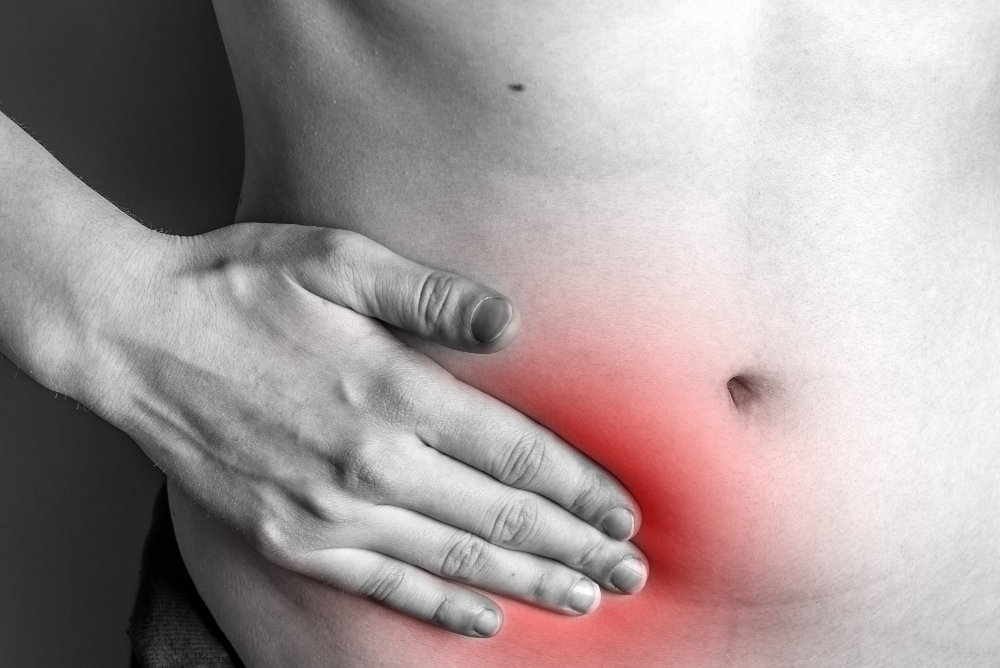
An incisional hernia is a bulge that forms at the site of a previous surgical cut. After surgery, the wall of your belly may not heal fully. As a result, tissue or even part of an organ can push through this weak area. Usually, the bulge is most noticeable when you stand up, cough, or strain. While some hernias are small, others can grow larger over time. Most often, incisional hernias appear within months after surgery, but sometimes they show up years later.
Why Does an Incisional Hernia Happen?
Several factors can lead to an incisional hernia. For example, the healing process may be slow or incomplete. Sometimes, extra pressure on the belly after surgery increases the risk. Common incisional hernia causes include:
Additionally, people with certain health conditions like diabetes or those who use steroids may have a higher risk. Age can also play a role, as older adults may heal more slowly.
Symptoms of Incisional Hernia
At first, you may notice a small lump near your surgical scar. Over time, this lump can become larger or more painful. Common symptoms include:
Sometimes, the bulge may go away when you lie down. However, if you notice sudden pain, redness, or the bulge becomes hard, seek medical help right away. These signs may mean the hernia is trapped, which can be serious.
Diagnosis
Doctors usually start by asking about your symptoms and medical history. Next, they will gently feel your belly to check for a bulge. Often, the exam is enough to confirm an incisional hernia. However, sometimes doctors use imaging tests for a clearer view. For example, an ultrasound or a CT scan can show the size and contents of the hernia. These tests also help doctors plan the best treatment. In some cases, your doctor may refer you to a specialist for further care.
Treatment Options
There are several incisional hernia treatment options. The right choice depends on your symptoms, hernia size, and overall health. For small hernias with no pain, doctors may suggest watchful waiting. This means regular check-ups to make sure the hernia does not get worse. However, most people will need surgery for incisional hernia. Surgery can be done in two main ways:
Non-surgical options, like wearing a supportive belt, may help some people who cannot have surgery. However, these do not fix the hernia. According to the CDC and recent studies, surgery is usually the best long-term solution.
Prevention Tips
After abdominal surgery, you can take steps to lower your risk of an incisional hernia. For instance, follow your doctor’s advice about activity and lifting. Here are more tips:
Additionally, attend all follow-up visits with your healthcare provider. Early care can help spot problems before they get worse.
Living With an Incisional Hernia
If you have an incisional hernia, you can still enjoy daily life with some adjustments. For example, avoid lifting heavy objects or straining during bowel movements. Wearing a support belt may help reduce discomfort. Always use proper lifting techniques if you must pick up items. Furthermore, eat foods rich in fiber to prevent constipation. If you notice changes in your hernia, such as pain or swelling, contact your doctor. With the right care, many people manage this condition well until they are ready for treatment, consult Dr.Satish Nallam.